Building a basic home workout corner
A short list of gear that covers most home workouts in a small space, and what to look for in each.
By QuickGuideHub Editors · 4 min read
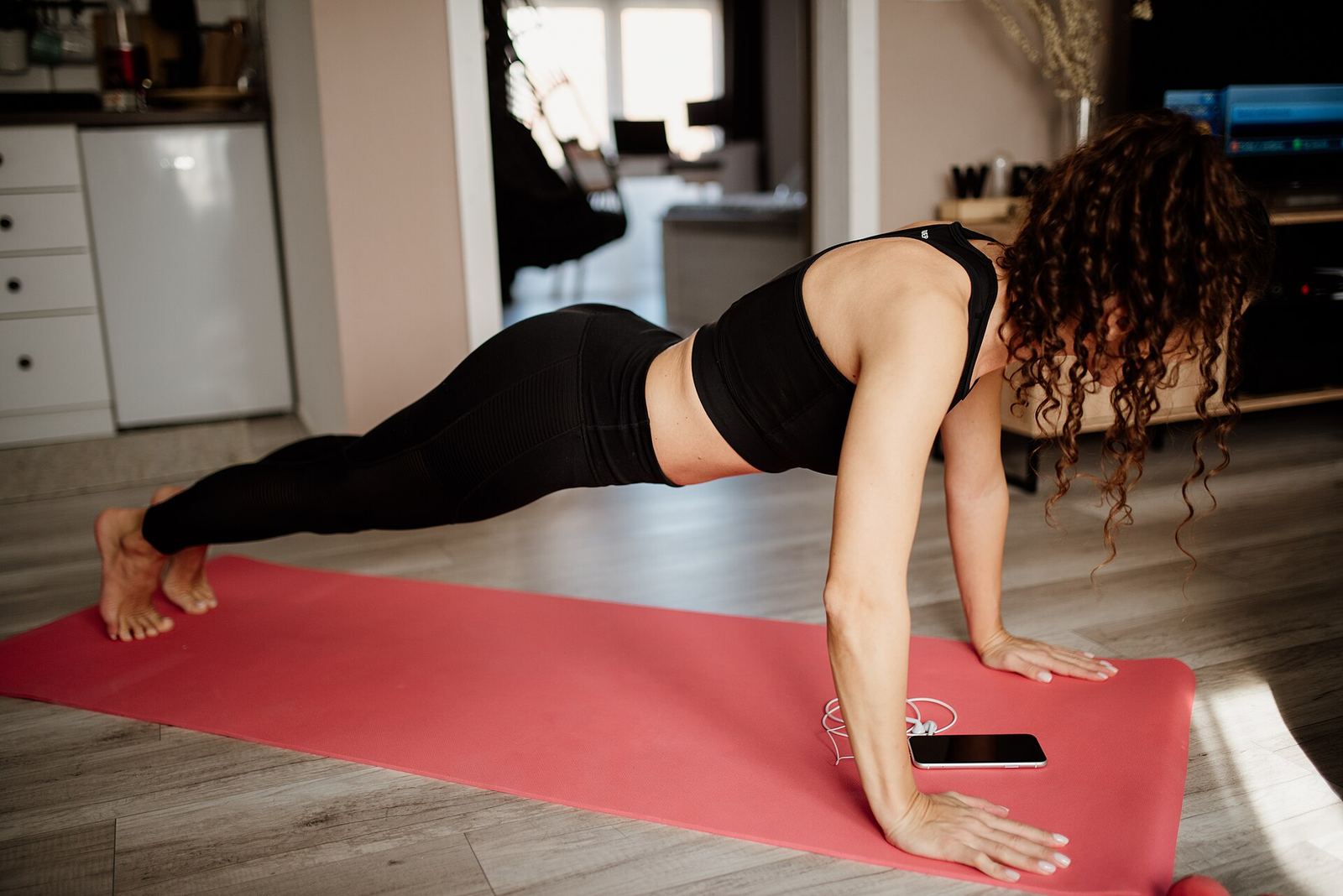
You do not need a spare room or a wall of equipment to train at home. A clear corner and a few versatile pieces cover bodyweight work, stretching, and light resistance, which is most of what a home routine needs. The trick is buying for what you will genuinely use rather than kitting out a gym you will walk past.
A quick note first: if you are new to exercise, coming back after a long break, or have any health condition, check with a doctor before starting. This is about gear, not a training program.
Measure the space before buying anything
Start with the floor, not the shopping. You need enough room to lie down with your arms stretched overhead and to step out to the sides without hitting furniture. Measure that area and make sure the surface is stable and not slippery. A corner you can actually use beats a pile of equipment with nowhere to use it.
Think about storage too. Gear that is a chore to get out tends to stay put away. Pick pieces that stack, roll, or slide under a bed or sofa, so setting up takes seconds rather than becoming its own barrier to training.
- Room to lie flat with arms overhead
- Space to step wide to each side
- A stable, non-slip surface underfoot
- Somewhere nearby to store the gear out of the way
The short gear list
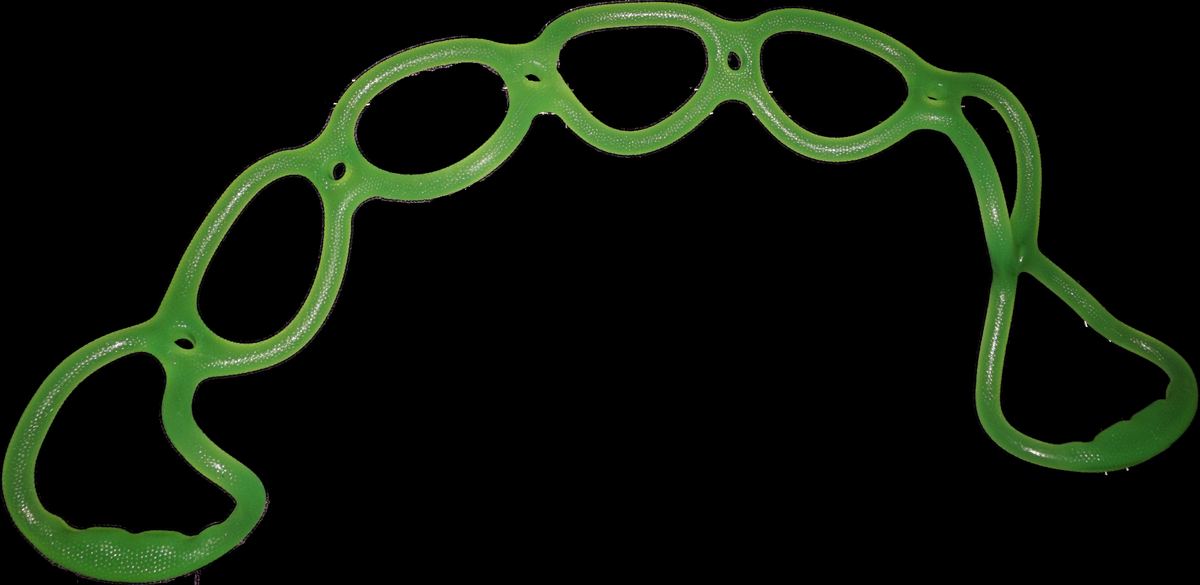
Three categories cover most home workouts. A mat gives you a stable, cushioned base for floor work and stretching. Resistance bands add scalable resistance for pulling and pressing movements, pack down to nothing, and are forgiving for beginners. One adjustable weight, whether a dumbbell or a kettlebell, adds load without needing a whole rack.
Look at build quality over features. For a mat, enough thickness to protect your knees and spine on a hard floor, and enough grip that it does not slide. For bands, a set with a range of resistances and handles or loops that are comfortable to hold. For an adjustable weight, a secure locking mechanism and a range that leaves you room to get stronger.
What to look for in each piece
| Gear | Main use | What to check |
|---|---|---|
| Mat | Floor work, stretching | Thickness, grip, easy to roll up |
| Resistance bands | Scalable pushing and pulling | A range of resistances, comfortable grips |
| Adjustable weight | Adding load | Secure locking, room to progress |
Build around what you will do
Before buying anything, picture the handful of exercises you will actually repeat. If your routine is mostly bodyweight squats, lunges, and core work, a mat alone gets you started. If you want to add pulling and pressing, bands come next. Add the adjustable weight only when you are ready to load the movements more than bands allow.
- Start with a mat and bodyweight exercises
- Add resistance bands when you want more to push and pull against
- Add one adjustable weight once bands feel too light
- Add anything else only when a specific exercise needs it
Buying in this order keeps you from spending on equipment that sits in a cupboard. Each piece earns its place by being the thing the next workout actually needs.
Secondhand gear is worth a look for the basics. A mat, a set of bands, and simple weights take little harm from light use, so buying them used is an easy way to try a setup before you spend more on it.

Look after the floor and the peace
A small amount of care protects both your floor and your relationship with anyone below you. A mat or a square of old carpet under the weights spreads the load and softens the noise, which matters a lot in a flat with neighbours underneath. Set weights down rather than dropping them, and if you jump or move fast, a thicker mat takes the edge off the thud.
Give the surface a quick check too. On a hard floor a thin mat can slide, so a bit of grip underneath keeps it in place, and on carpet a firmer mat gives you a stable base for balance work. A steady, quiet corner is one you can use early or late without a second thought.
Keep the corner inviting
The corner gets used if it is ready and pleasant to be in. Keep the gear tidy and within reach, leave the mat somewhere you can roll it out in seconds, and make sure the spot has a bit of light and air. A home setup competes with the sofa, and the easier and nicer it is to start, the more often you will. The point here is a modest, well-chosen corner you use, not an expensive one you avoid.
Photo credits
- Hero: Shixart1985 / Wikimedia Commons, CC BY 2.0
- In article: Tiia Monto / Wikimedia Commons, CC BY-SA 4.0
- In article: s58y / Wikimedia Commons, CC BY 2.0
Keep reading
- 01
Finding running shoes that fit
Gear · 4 min read · Oct 18, 2026
- 02
Getting started with a walking habit
Everyday · 4 min read · Oct 7, 2026
- 03
Switching to a cheaper phone plan
Bills · 4 min read · Oct 13, 2026