Setting up a cat litter box
How many boxes to have, where to put them, and a cleaning routine that keeps a cat using the box.
By QuickGuideHub Editors · 4 min read
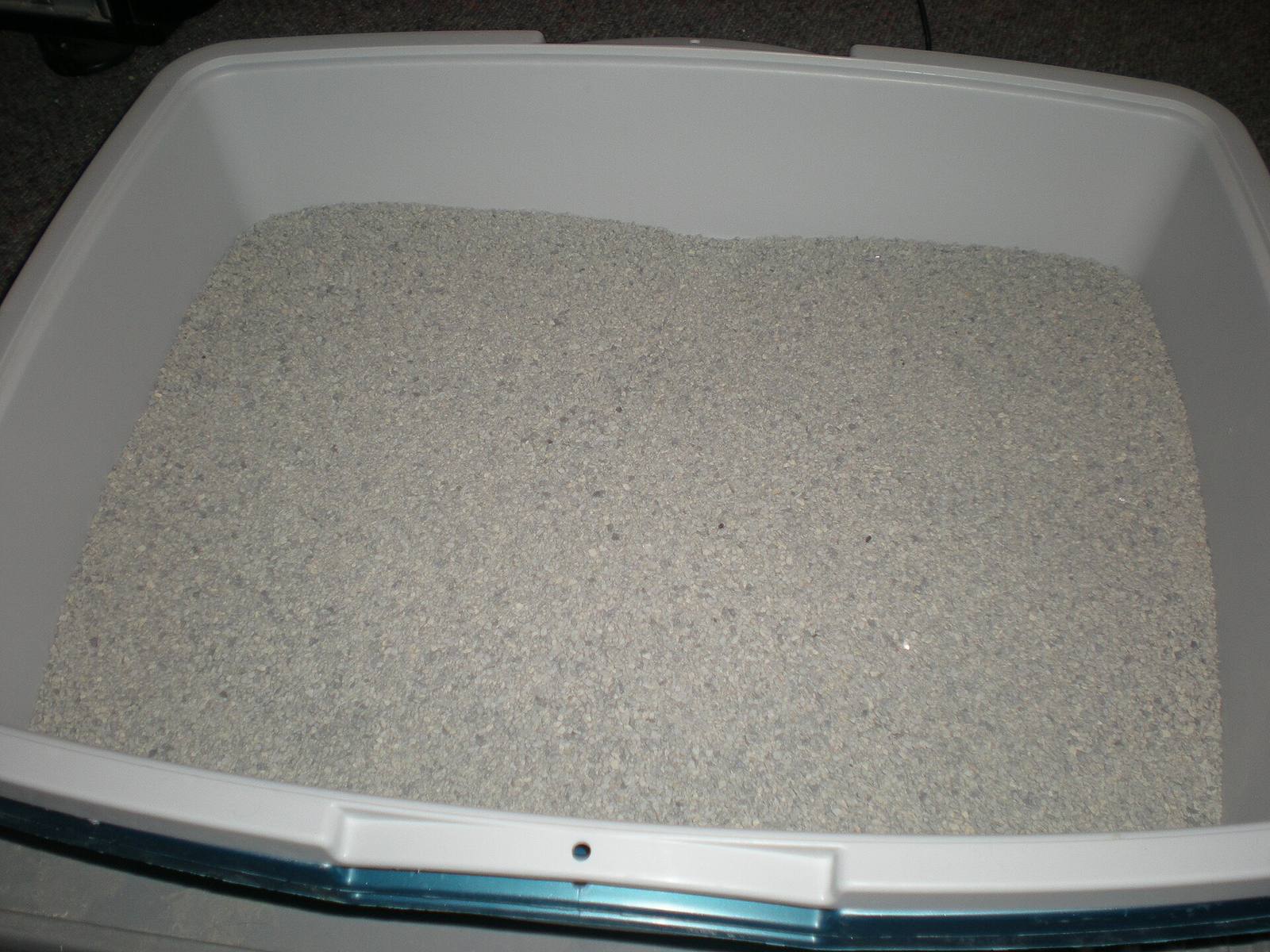
Most litter box problems are setup problems. Cats are particular about where and how they go, and when something is off, they tell you by going somewhere else. Getting the number, the placement, and the cleaning right from the start prevents most issues, and is far easier than fixing a cat that has decided the box is not acceptable.
How many boxes
The widely used guideline is n plus one: one litter box per cat, plus one extra. One cat means two boxes, two cats means three. The spare matters because some cats prefer to urinate in one box and defecate in another, and because a single box in a multi-cat home can become a spot one cat guards.
Spread the boxes out rather than lining them up in one room. Two boxes side by side read as one location to a cat, which defeats the point. Put them in different areas, and in a home with more than one floor, keep at least one box on each level so a cat never has to travel far.
- One cat: two boxes
- Two cats: three boxes
- Place them in separate locations, not side by side
- At least one box per floor in a multi-level home
Where to put them
Cats want to feel safe while they are vulnerable, so a good location is quiet, easy to reach, and has a clear line of sight or an easy exit. Avoid busy, noisy corners next to a washing machine or a furnace that can startle them mid-use. Avoid dead-end spots where another pet could trap them.
Keep the litter box well away from the food and water bowls. Cats naturally avoid eliminating where they eat, and putting the two together is a common reason a cat refuses the box. For older cats, choose a box with at least one low side so stiff joints do not make climbing in a chore.
- Quiet and low-traffic, away from loud appliances
- Easy to reach, with no single blocked exit
- Separate from food and water bowls
- A low entry side for kittens and senior cats
- Reachable without stairs for a cat that struggles with them

A cleaning routine that works
Cats have a sharp sense of smell and a low tolerance for a dirty box. Scoop waste at least once a day, and top up the litter to keep a consistent depth. Every few weeks, empty the box completely, wash it with mild unscented soap and water, and refill it. Harsh or heavily scented cleaners can leave a smell the cat dislikes enough to avoid the box.
Go easy on scented litters and deodorisers, which are made for the human nose rather than the cat's. Many cats prefer a plain, unscented, fine-grained litter. If you need to change litter type, mix the new in with the old over a week or so rather than switching all at once.
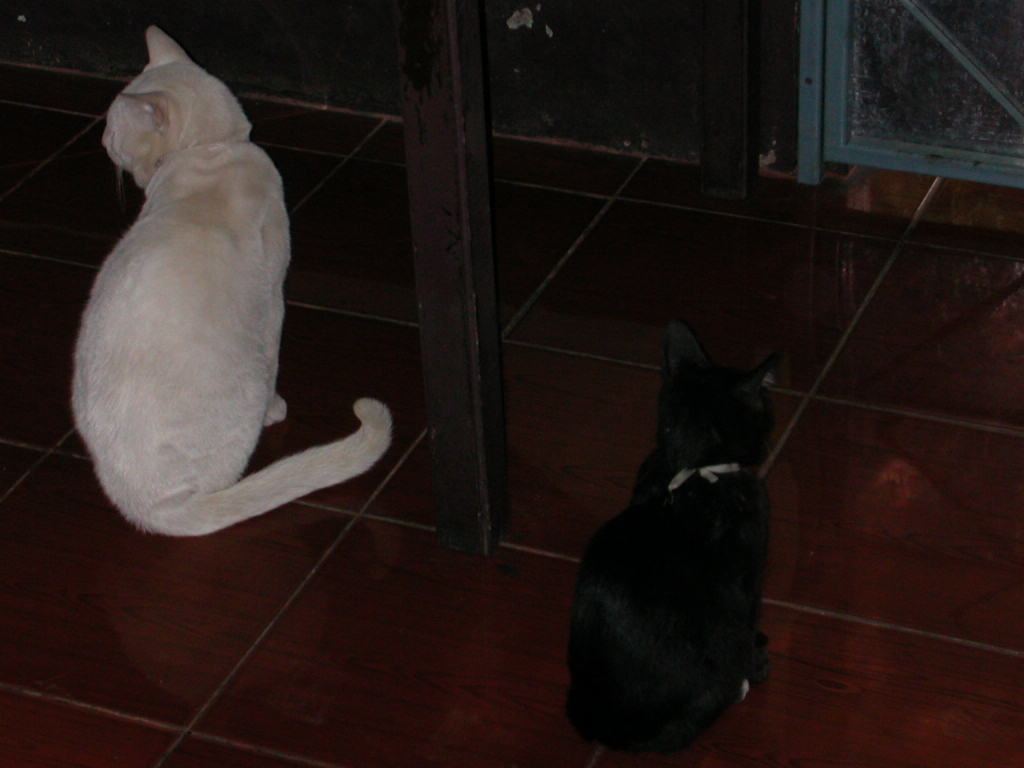
Litter type and depth
Most cats do best with a plain, unscented, fine-grained clumping litter, which is close to the soft, sandy texture they would dig in naturally. Fill the box to a depth of roughly two to three inches, enough for the cat to dig and cover without litter spilling everywhere. Too shallow and the box feels bare; too deep and many cats will not use it.
Covered or open
Covered boxes keep smells and stray litter in, which suits the people in the house, but some cats dislike the trapped odour and the single way out. If you use a covered box, keep it especially clean, and if a cat starts avoiding it, taking the lid off is a good first thing to try. An open box in a private corner is a safe default.
When a habit change means more
A cat that suddenly stops using a clean, well-placed box is often telling you something is wrong. Urinary problems, pain, and other medical issues can show up first as a change in litter box behavior. If the setup is right and the habit still changes, book a vet visit rather than assuming it is bad manners. Ruling out a health cause comes before any training.
Photo credits
- Hero: CambridgeBayWeather / Wikimedia Commons, CC BY-SA 3.0
- In article: Alvesgaspar / Wikimedia Commons, CC BY-SA 3.0
- In article: Love Krittaya / Wikimedia Commons, Public domain
Keep reading
- 01
Choosing a dog harness vs collar
Dogs · 4 min read · Sep 12, 2026
- 02
Building a basic home workout corner
Home · 4 min read · Oct 22, 2026
- 03
Finding running shoes that fit
Gear · 4 min read · Oct 18, 2026