Starting an emergency fund
How much to aim for, where to keep it, and how to build it when there is barely anything left over.
By QuickGuideHub Editors · 4 min read
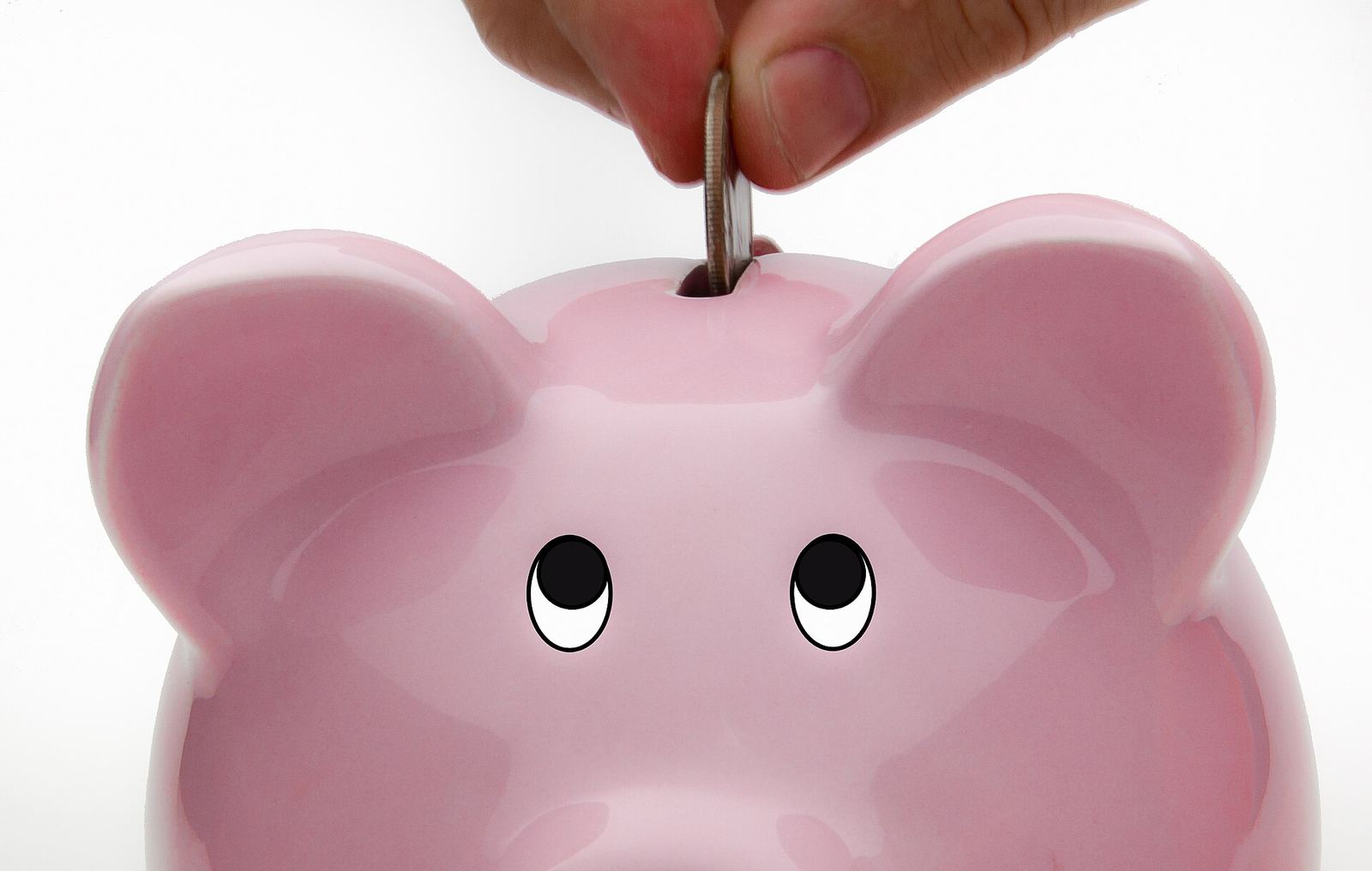
An emergency fund is money set aside for the surprises that would otherwise go on a credit card: a car repair, a dental bill, a gap between jobs. It is not an investment and it is not meant to grow. Its job is to be boring and available on the day something breaks.
The common advice to save three to six months of expenses is sound, but as a first goal it can feel so far off that people never start. A smaller, closer target works better. Aim for one month of essential costs first. Hitting a reachable number builds the habit, and the habit is what gets you to the larger figure later.
Decide what counts as essential
Your fund should cover the bills that do not stop when income does. That means rent or mortgage, utilities, food, transport, insurance, and minimum debt payments. It does not need to cover restaurants, subscriptions, or holidays, because those are the things you would pause in a real emergency.
Add up one month of those essentials. That number is your starting target. For many households it lands lower than expected once the optional spending is stripped out, which is encouraging rather than the opposite.
Where to keep it
The fund needs two properties: you can reach it within a day or two, and you are not tempted to dip into it for ordinary spending. A separate savings account, ideally at a different bank from your checking account, satisfies both. The small friction of transferring money back is enough to make you pause and ask whether this is really an emergency.
- Separate from the account you spend from day to day
- Reachable within a day or two, not locked away for months
- Free of fees that would eat into a small balance
- Not invested in anything that can lose value before you need it

Avoid keeping it in checking, where it blends into your spending, and avoid tying it up in investments that might be down the week your boiler fails.
Build it in small, automatic steps
The reliable way to save is to move the money before you can spend it. Set up an automatic transfer for the day after payday, even if it is a modest amount. A small transfer that happens every month beats a large one you keep meaning to make.
Find the money by looking at the spending you already mapped. A paused subscription, a lower phone plan, or a week of cooking at home can each free up a steady amount. Direct that exact sum into the fund so the saving is tied to a real change, not willpower.
- Open a separate savings account if you do not have one
- Set an automatic transfer for the day after you are paid
- Start with an amount you are sure you will not miss
- Raise it slightly each time you cut a recurring cost
- Leave the account alone between real emergencies
If your pay is irregular, move a percentage of each payment rather than a fixed sum, so a lean month does not leave you short. The amount matters far less than the habit of sending something every single time you are paid, because it is the regular act, not the size of any one transfer, that slowly turns a few quiet months into a cushion you can lean on.
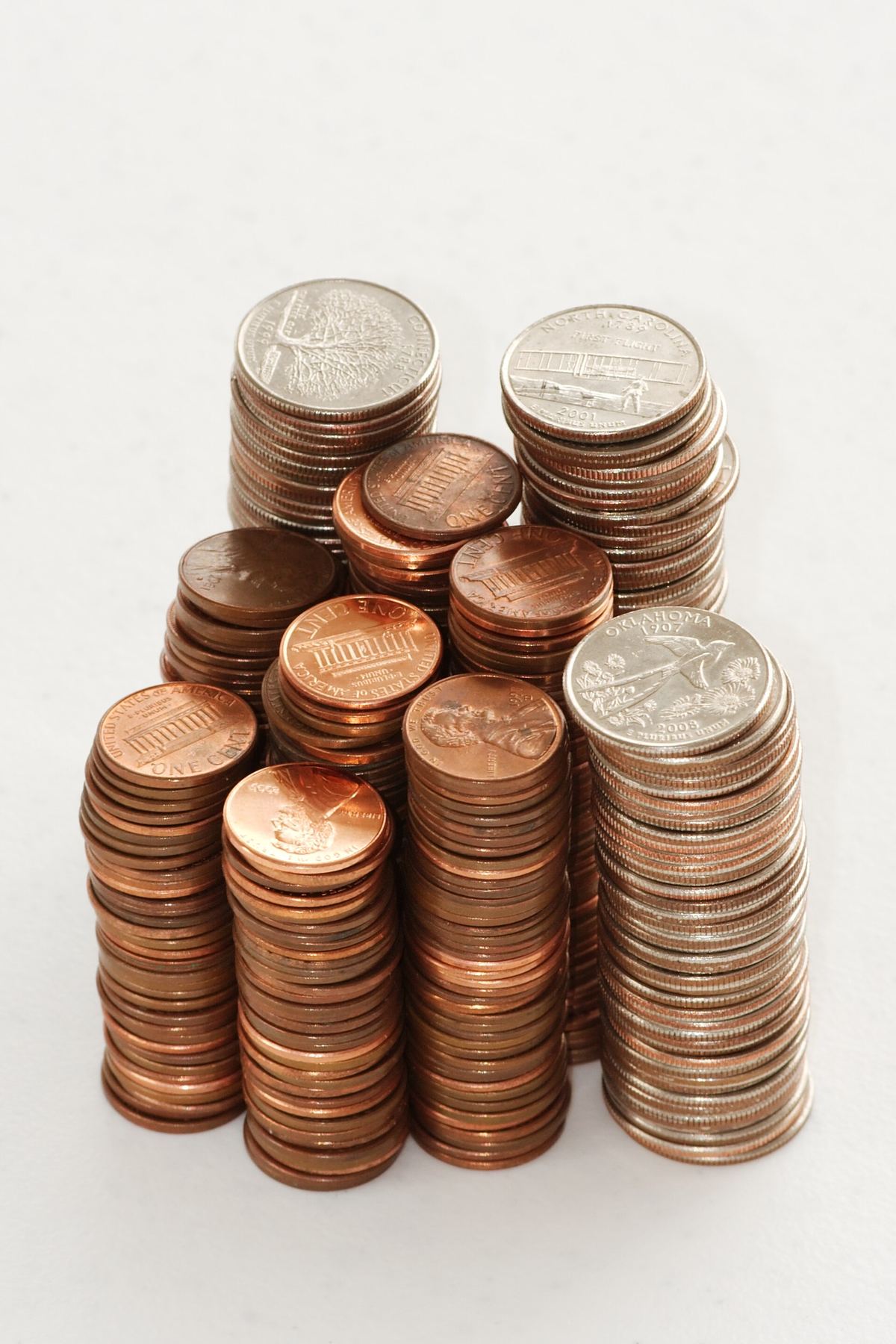
Keep it apart from your other savings
An emergency fund works best when it has one job and no other. If the same account is also your holiday pot and the deposit for a bigger purchase, the lines blur, and it becomes easy to tell yourself a nice-to-have is an emergency. Give the fund its own account and, if your bank allows it, its own name, so you can see at a glance what is for real surprises and what is for plans.
Save for those other goals somewhere separate. That way a good month of putting money toward a trip does not quietly drain the money meant to cover a broken boiler, and spending on the trip does not feel like raiding your safety net.
Using it and refilling it
Spending the fund is not a failure. Covering a surprise bill from savings instead of a credit card is exactly the outcome you built it for. When you use it, treat refilling it as the next goal and restart the automatic transfer.
Once you reach one month of expenses, raise the target. Three months is a common next milestone, and six months suits people with variable income or a single earner in the household. The method does not change as the number grows. You keep moving a set amount on payday and leave the balance to do its quiet job.
Photo credits
- Hero: Ken Teegardin from Boulder, Boulder / Wikimedia Commons, CC BY-SA 2.0
- In article: nattanan / Wikimedia Commons, CC0 1.0
- In article: Dori / Wikimedia Commons, Public domain
Keep reading
- 01
Switching to a cheaper phone plan
Bills · 4 min read · Oct 13, 2026
- 02
Cutting your grocery bill without coupons
Groceries · 4 min read · Oct 2, 2026
- 03
Building a simple monthly budget
Budgeting · 4 min read · Sep 8, 2026