Cutting your grocery bill without coupons
The habits that lower a food bill for good, without clipping a single coupon or giving up meals you like.
By QuickGuideHub Editors · 4 min read
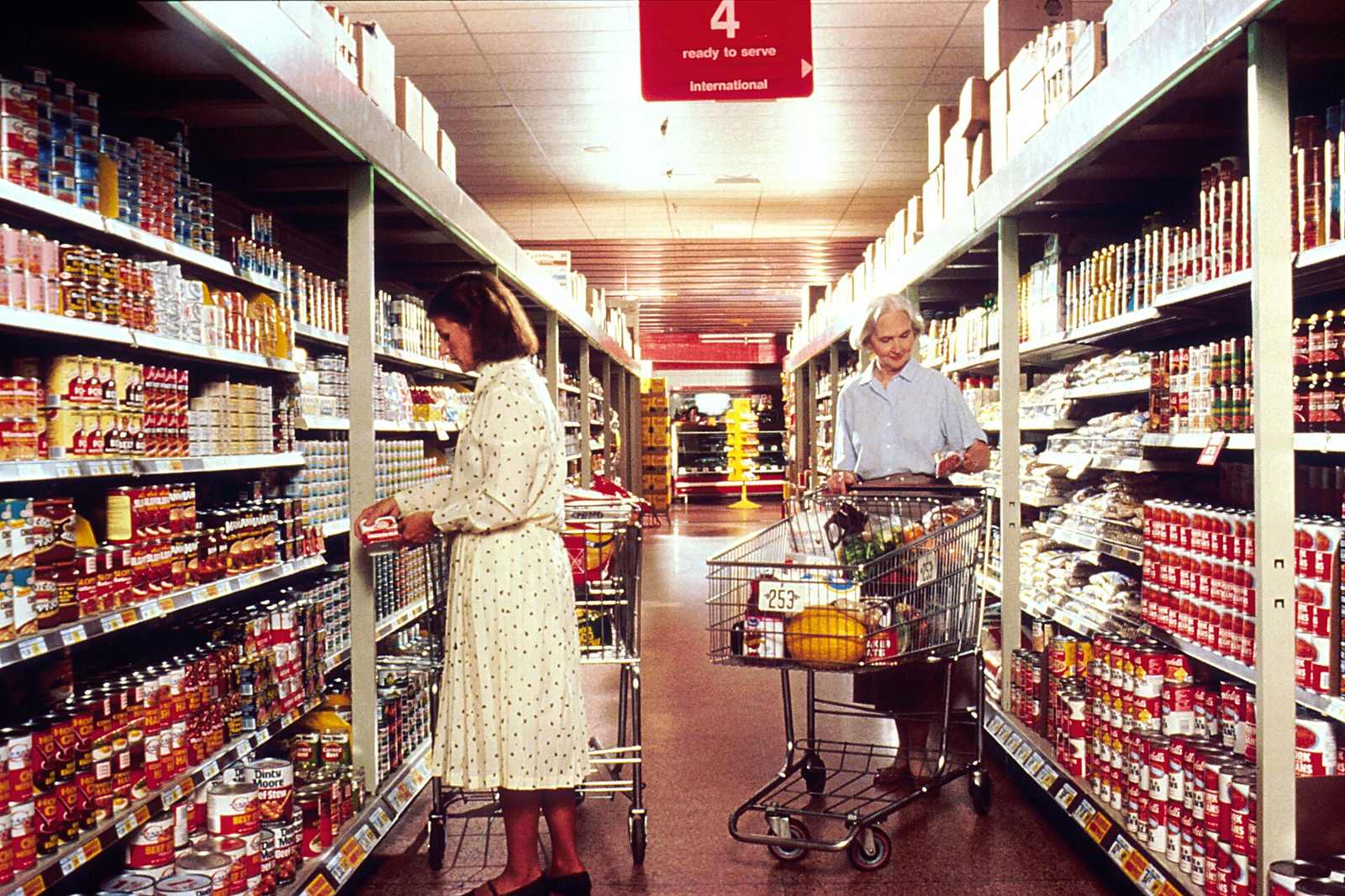
Coupons get the attention, but they mostly steer you toward buying things you were not going to buy. The bigger savings come from habits that change how much food you waste and how often you reach for the convenient, marked-up version. None of this means eating worse. It means a little planning and knowing where the quiet costs hide.
Plan meals around what you own
Most food waste is money you already spent. Before you shop, look in the fridge, freezer, and cupboards, and build two or three meals around what is about to expire. Then write the list for the gaps. This one habit tends to cut a bill more than any in-store trick, because the cheapest food is the food you do not throw away.
- Check what is near its use-by date and plan a meal around it
- Decide how many dinners you actually need to cover
- Write the list by aisle so you are not backtracking
- Add one flexible meal for the night plans change
Read the unit price
Shelf labels usually show a smaller unit price: the cost per 100 grams, per litre, or per item. That is the number to compare, because package sizes are designed to make comparison hard. The bigger pack is often cheaper per unit, but not always, and the branded and store versions can swap places week to week.
Where unit price changes the answer
| Item | Looks cheaper | Usually better value |
|---|---|---|
| Rice | Small bag, lower sticker | Large bag, lower per kg |
| Cleaning spray | Ready-to-use bottle | Concentrate you dilute |
| Snacks | Multipack of small bags | Large bag you portion yourself |
Buy the better unit price only when you will use it before it spoils. A large bag of salad at a lower unit price is a false saving if half of it goes in the bin.

Shop in a way that resists impulse
Stores are arranged to add items you did not plan to buy. You do not need to outsmart the layout, just blunt it. Eat before you go, so hunger is not making decisions. Stick to your list, and give yourself one or two deliberate extras rather than pretending you will buy nothing off-plan.
Where you shop matters too. Frozen vegetables and fruit are usually cheaper than fresh, last for months, and lose little nutrition. Store-brand staples like flour, pasta, tinned tomatoes, and oats are often made to the same basic spec as the branded version at a lower price. Buying whole and cutting it yourself, rather than pre-chopped and pre-portioned, saves on nearly every fresh item.
- Eat something before you shop
- Buy frozen for produce you will not use quickly
- Default to store brands on plain staples
- Choose whole over pre-cut and pre-portioned
- Check the reduced section, but only for things on your plan

Store food so it lasts
A chunk of a grocery bill is lost after the shopping, when food spoils before you get to it. A little storage care stretches what you already paid for. Freeze bread you will not finish in a few days, keep fresh herbs cool and loosely wrapped, and move older items to the front so they get used first.
- Freeze bread, meat, and leftovers you will not use within a few days
- Keep herbs and leafy greens cool and loosely wrapped
- Put older items at the front so they get eaten first
- Use clear containers so nothing hides at the back and rots
Cook once, eat twice
Cooking a larger batch and saving half costs little more effort, and it spreads the price of the cheaper slow cuts and the big bags of staples across several meals. Portion the extra into the freezer on a day you have time, and you buy yourself a few meals that cost almost nothing on the busy evenings when takeaway is tempting.
Keep a few things you enjoy
A grocery budget that strips out everything you like does not last. Leave room for a small number of foods that make the week better, and save hard on the staples around them. The aim is a bill you can repeat every week, not a punishing one you follow for a fortnight and then abandon in a big, resentful shop.
Photo credits
- Hero: Bill Branson (Photographer) / Wikimedia Commons, Public domain
- In article: Laliv g / Wikimedia Commons, CC BY-SA 4.0
- In article: BceMckenz Marks / Wikimedia Commons, CC BY-SA 4.0
Keep reading
- 01
Switching to a cheaper phone plan
Bills · 4 min read · Oct 13, 2026
- 02
Starting an emergency fund
Saving · 4 min read · Sep 19, 2026
- 03
Building a simple monthly budget
Budgeting · 4 min read · Sep 8, 2026